
Why I Became a Death Doula
 Posted by
Sallyann
Posted by
Sallyann
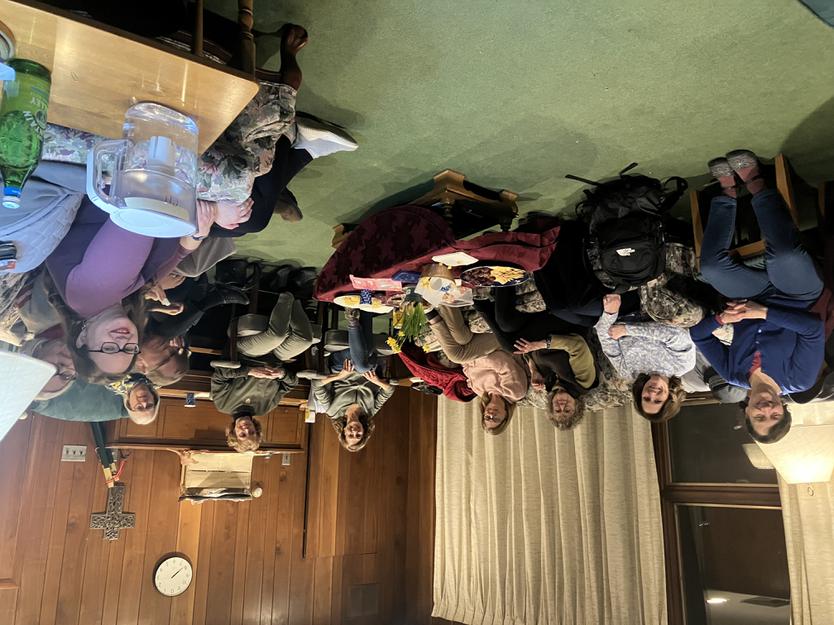
Death is all around us. The news is full of stories of tragedy, disease and disaster. As we age we witness our bodies decline and inch toward death. Throughout our lifetimes, our skin flakes off daily while new cells are generated. Babies are born in families after a person has died, new shoots appear on a plant that has shed its leaves. It's all part of the natural cycle of life, the Yin and Yang of existence. Without death we wouldn't have life. However commonplace and inevitable it is, most of us have a fear of talking about death, even though we might think of it daily. We may consciously eat a healthy diet, as to live long. We may drive carefully so as not get in an accident and die. We may avoid travelling in dangerous areas so as not to be a victim of violence, which may lead to death. We may refrain from smoking so as not to shorten our life...and so on. Some fear even talking about death may somehow bring it on prematurely. But truthfully, most of us are unable to control when and how our deaths will ultimately occur. It doesn't always follow logical thinking. Sometimes a young healthy person dies, or an elderly, seemingly unhealthy person, lives for a very long time. So what do we make of this? Sometimes it can shake the very core of our existence or belief in God. It can make us question our own religion or spirituality. When someone we love dies, it can be one of the hardest things we go through in life. The added burden of living in a society where talking about death is taboo can lead individuals into deep depression and isolation. We know that keeping feelings bottled up is not healthy for us physically or emotionally. Yet the traditional length of time off work for bereavement is only 3-5 days. The DSM manual of mental health disorders considers grieving for more than one year a mental health disorder. When it comes to loss, our culture wants us to " get over it and get on with life"! But that's not how the human body and mind work. In one study over 90% of young men in prison noted that they had major losses in their life that they never dealt with (Centre for Crime and Justice Studies 2014). In my years of working as a Clinical Social Worker, I saw that individuals with depression and anxiety often attribute a loss or death in their life as having a major impact on their moods. In some of these cases the losses went back many years and people still felt they had not dealt with them. A Death Doula is one who allows people to talk about grief and loss, past or present without judgment or specific outcome. It's not psychotherapy or a grief support group and it's not necessarily run by a medical professional. A Death Doula may work in conjunction with a Hospice Center, but the role of the doula is to offer a safe space for individuals to talk about death without being told how they should go about handling it. Sometimes the doula works with the individual who is dying, or with their family and friends. A Death Doula provides the time and space for people to grieve in a way that makes sense to them and their values, culture, and personal sensibility. Grief is a very individual process and may look quite different from one person to the next. Death Doulas aim to connect with their clients from a place of respect, curiosity and inclusivity, providing "compassionate presence" while the person sorts out their feelings and thoughts. Death Cafes have become popular in the US and England, where people gather in cafes, libraries or other public places to have an open honest discussion about death. Typically the discussion is facilitated by a leader, and cakes and other sweets are served with tea. There are many online Death Cafes as well. Rather than being gloomy or scary, the discussions tend to be positive, practical and very supportive , with many participants returning ongoingly. The hope is that discussion of death and end of life issues becomes much more mainstream in our society for the betterment of all.